When Should You Repower Your Boat Engine?
09-29-2026 4:25 PM
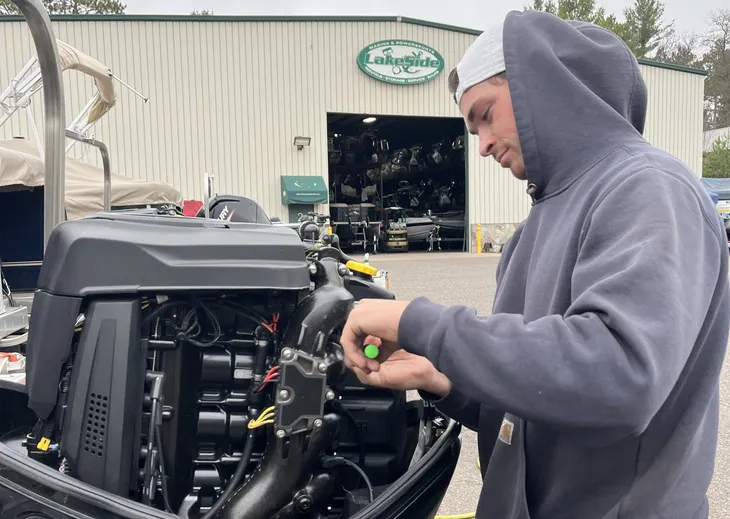
You should consider repowering your boat when the hull, transom, layout, and major systems remain in good condition, but the engine has become unreliable, outdated, or expensive to maintain. A repower allows you to keep a boat that still serves you well while replacing the motor that limits its performance or dependability.
The decision requires a professional inspection and a complete cost comparison. Minocqua Lakeside provides Mercury engine repowers from its full-service marina in Minocqua, Wisconsin. Its technicians handle Mercury engine repowers, from initial assessment through installation.
What Does Repowering a Boat Mean?
Repowering means replacing a boat’s existing engine while keeping the boat itself. The project may also require updates to controls, wiring, gauges, steering, mounting components, or other systems. A qualified technician must confirm that the new engine’s horsepower, weight, dimensions, and connections are compatible with the boat.
Owners often explore repowering after persistent performance problems or recurring repairs. Others want newer engine technology, greater reliability, or a motor that better supports how they currently use the boat.
Swapping the motor is only the mechanical starting point. The installation may affect mounting, electrical connections, steering, controls, fuel delivery, alignment, and integration with the boat’s existing systems.
Minocqua Lakeside’s Mercury repower service starts with a close look at the boat and motor. Its repower page states that warranties apply to parts and labor, so owners should confirm exact coverage for their project.
What Are the Signs That a Boat May Need a Repower?
Frequent breakdowns, hard starting, declining performance, recurring repair costs, and difficulty sourcing appropriate parts can justify a repower evaluation. These signs may also point to a repairable problem, so the next step should be a professional assessment of the engine and related systems before deciding on replacement.
Pay attention to patterns in the engine’s behavior. Slow acceleration, excessive vibration, inconsistent power, repeated starting trouble, or problems that cut a day on the water short all point toward a professional look.
Bring clear notes to the service appointment. Record when the problem occurs, whether the engine is hot or cold, what speed you are traveling, and whether the issue developed suddenly or gradually. Those details can help the technician zero in on the issue.
Engine age matters, but it's not the whole picture. Operating hours, maintenance history, winter storage, corrosion, previous repairs, and how the boat has been used all influence the motor’s condition.
Minocqua Lakeside’s marine service department handles mechanical and electrical work, tune-ups, prop repair, gearcase and lower-unit repair, rigging, and engine alignment. An inspection may find that one of these services can restore dependable operation without replacing the engine.
Should You Repower or Replace the Boat?
Repowering can make sense when the current boat remains structurally sound, still fits your needs, and can support a compatible replacement engine. Replacing the boat may be more practical when the hull, transom, interior, electrical system, steering, or other major components also require substantial work.
Start with how well the boat still serves you. Consider its size, seating, storage, handling, and fishing setup. If those features continue to work for your family or boating plans, an engine replacement may address the main issue while preserving a boat you already know.
Next, look beyond the motor. Structural repairs, worn upholstery, damaged flooring, electrical problems, steering work, and outdated controls all affect the total investment. Factor those into the math even if they're technically separate from the engine work.
Then consider how long you expect to keep the boat. A significant engine investment may be easier to justify when you plan to use the boat for several more seasons. If your preferred activities, group size, or performance needs have changed, another boat may provide a better long-term fit.
Minocqua Lakeside supports this comparison through its repower department and current boat inventory. Owners can compare a proposed Mercury repower with available boat options after reviewing the full condition and expected use of their current vessel.
What Happens During a Mercury Engine Repower?
A Mercury engine repower begins with an inspection of the existing motor and boat. The technician confirms compatibility, recommends an appropriate engine, identifies related installation needs, and prepares a quote. The project may include engine removal, mounting, alignment, wiring, controls, rigging, and integration with existing boat systems.
Provide the boat’s make, model, year, current engine, maintenance history, and recent performance concerns. Explain how you typically use the boat. A fishing boat used for slow trolling can have different operating priorities from a boat used primarily for cruising or towing.
The engine recommendation must follow the boat manufacturer’s specifications. Horsepower is only one consideration. Engine weight, balance, transom condition, controls, steering, wiring, fuel delivery, and intended use all influence compatibility.
Minocqua Lakeside is an authorized Mercury dealer. Its technicians assess the current motor, recommend a Mercury engine for the boat, and handle alignment, wiring, and system integration as part of the repower process.
After installation, ask the team to explain the engine’s break-in procedure, controls, gauges, maintenance schedule, and any changes in operation. Keep the quote, warranty details, and completed service records with the boat’s documents.
How Much Does a Boat Repower Cost?
Boat repower cost depends on the engine, horsepower, rigging, controls, wiring, gauges, steering, installation labor, and condition of related systems. Minocqua Lakeside publishes a standard repower labor rate of $140 per hour. The complete project price varies and requires an inspection and written quote.
The engine is one part of the total cost. A repower may require new controls, cables, harnesses, mounting components, gauges, batteries, steering work, or other equipment needed to connect the new motor correctly.
Broad online price ranges may leave out installation labor, removal of the previous engine, controls, system updates, freight, or work discovered during inspection. An estimate built around the actual boat gives owners a more useful basis for comparison.
Ask for a written quote that separates the engine, parts, labor, and anticipated supporting work. Confirm how the marina will handle additional findings and whether the team will request approval before changing the project scope.
Use the complete quote to compare repowering with another boat. Include the current vessel’s overall condition, anticipated repair needs, expected years of continued use, and the costs involved in purchasing and preparing a replacement.
What Should You Ask Before Approving a Repower?
Before approving a repower, ask why the recommended engine fits the boat, which existing systems can remain, what must be replaced, and what warranty coverage applies. Confirm the project scope, labor rate, expected timing, break-in requirements, maintenance needs, and process for approving additional work discovered during installation.
Useful questions include:
Is the hull and transom condition suitable for the proposed engine?
What horsepower and engine weight can the boat support?
Will the current controls, gauges, steering, and wiring remain compatible?
What engine, parts, and labor are included in the quote?
How will the old engine be removed and handled?
What warranties apply to the engine, parts, and labor?
What break-in procedure will the new engine require?
When will the first maintenance appointment be due?
Will the marina contact me before completing additional work?
Bring any available maintenance and repair records to the consultation. That history can help the technician understand recurring problems and determine whether the proposed repower addresses the boat’s primary needs.
Contact the marina directly about the timeline. Engine availability, parts, workload, and project complexity all influence scheduling. A repower should be evaluated as an investment in the whole boat, and if the boat is still solid and still works for how you use it, a properly selected Mercury engine may restore the reliability and performance you need. Use Minocqua Lakeside’s repower request form or call 715.356.1050 to set up an inspection and get a written quote.
Frequently Asked Questions
Can Any Boat Be Repowered?
No. Repower suitability depends on the boat’s condition, transom, manufacturer specifications, weight and horsepower limits, controls, steering, wiring, and other systems. A technician must inspect the boat and confirm compatibility before recommending a replacement engine.
Is Repowering Less Expensive Than Buying Another Boat?
Repowering can cost less than replacing a boat, depending on the selected engine and the vessel’s overall condition. Compare the engine, parts, controls, rigging, labor, and related repairs with the purchase, preparation, registration, and service needs of another boat.
Does Minocqua Lakeside Install Mercury Engines?
Yes. Minocqua Lakeside is an authorized Mercury dealer and handles the full repower process, from the first inspection to installation and system integration.
How Long Does a Boat Repower Take?
Repower timing varies based on the engine, required parts, installation scope, current workload, and any additional work identified during inspection. Contact Minocqua Lakeside for a project-specific timeline, and avoid scheduling launch plans until the service team confirms the engine availability and expected completion date.
How Much Is Repower Labor at Minocqua Lakeside?
Minocqua Lakeside publishes a standard repower labor rate of $140 per hour. Total labor and project cost depend on the engine, boat, controls, wiring, rigging, and additional work found during the process.
Does a Repower Include New Controls and Gauges?
The required equipment depends on compatibility between the new engine and the boat’s existing systems. Some projects require updated controls, wiring, gauges, steering components, or rigging. The service team should identify those needs in the proposed scope and quote.
Will a New Mercury Engine Improve Fuel Efficiency?
Current Mercury engines are generally more fuel-efficient than older motors, but actual results depend on the engine, boat, load, prop, and how you run it. Ask the technician what to realistically expect for your setup.
How Do I Request a Mercury Repower Quote?
Use Minocqua Lakeside’s online repower request form or call 715.356.1050. Provide the boat make, model, year, current engine, performance concerns, maintenance history, and intended use so the team can arrange an assessment.
